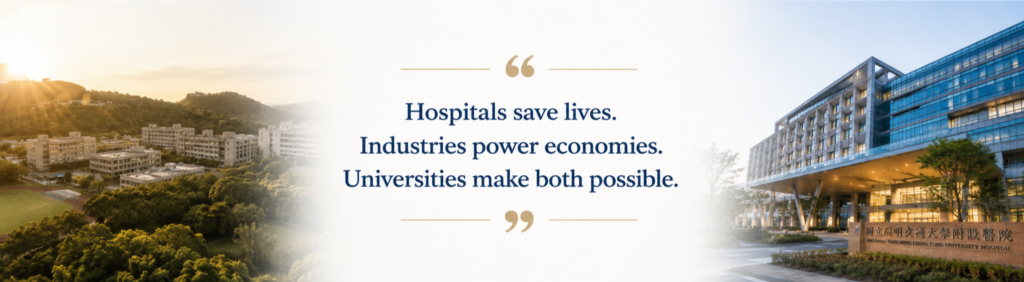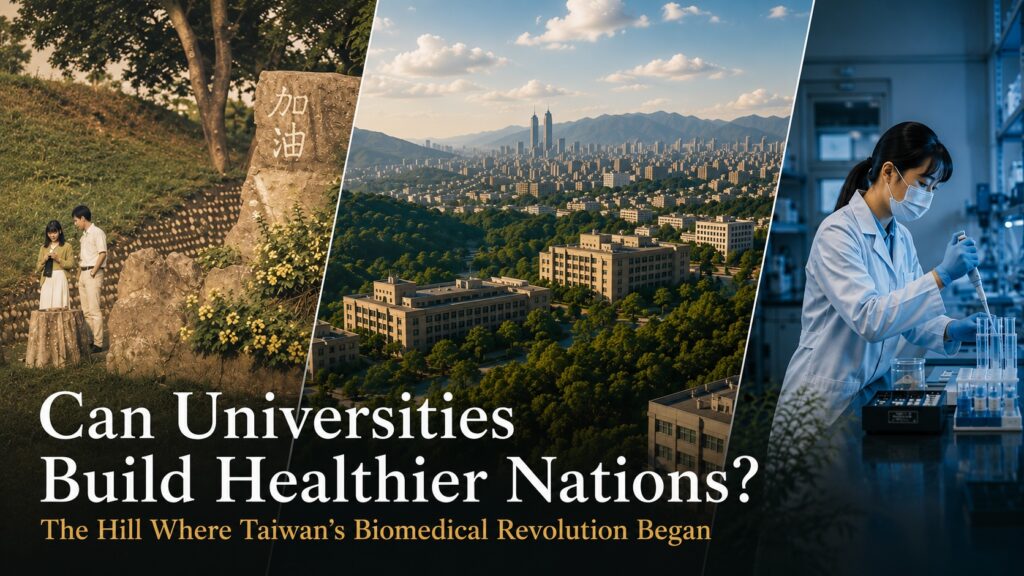
When people think about Taiwan’s healthcare success, they often point to what they can see today: a world-renowned National Health Insurance system, internationally respected hospitals, and physicians whose clinical expertise rivals that of the world’s leading medical centers. Yet every healthcare system has an origin story.
Taiwan did not begin with National Health Insurance. Nor did it begin with the opening of a major hospital or a breakthrough medical discovery. It began years earlier on a quiet hillside in Taipei’s Beitou District, where a newly established medical college was preparing students for a healthcare system that did not yet exist. The college founders asked a remarkably ambitious question: What if medical education could change not only individual lives, but the future health of an entire nation?
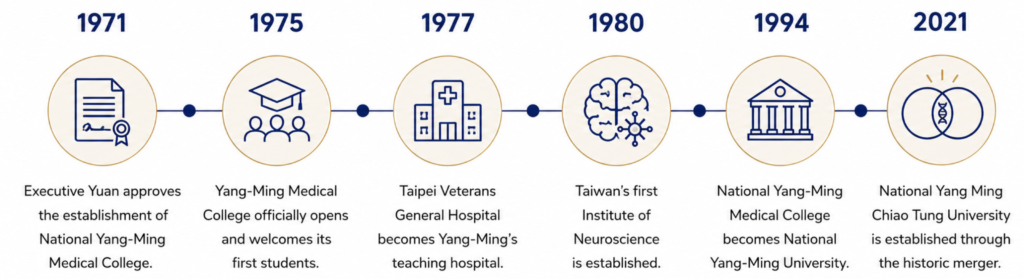
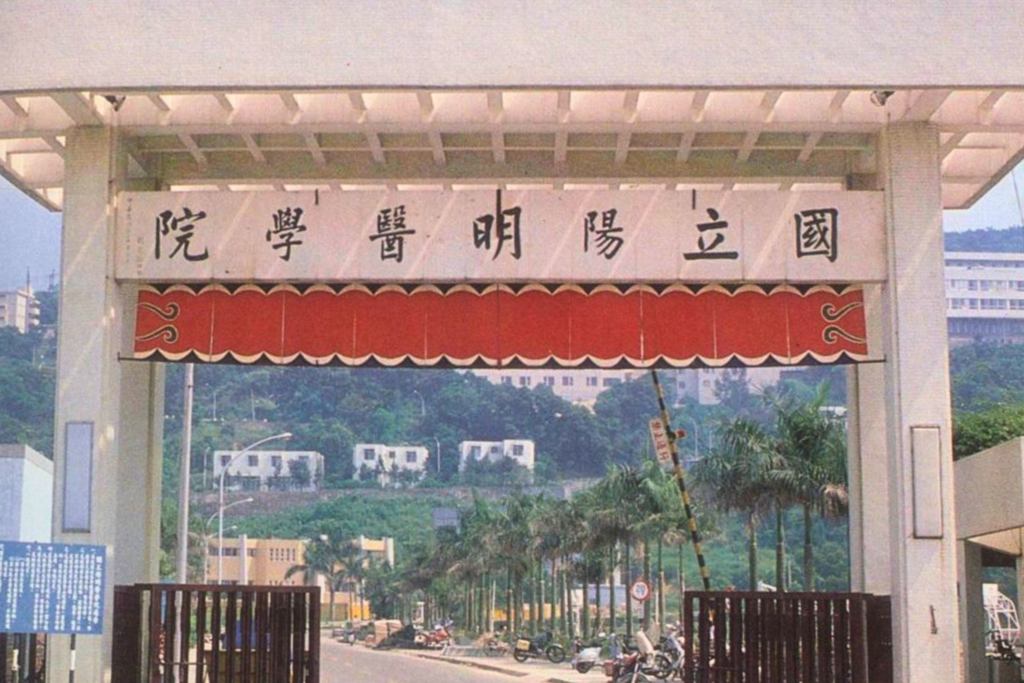
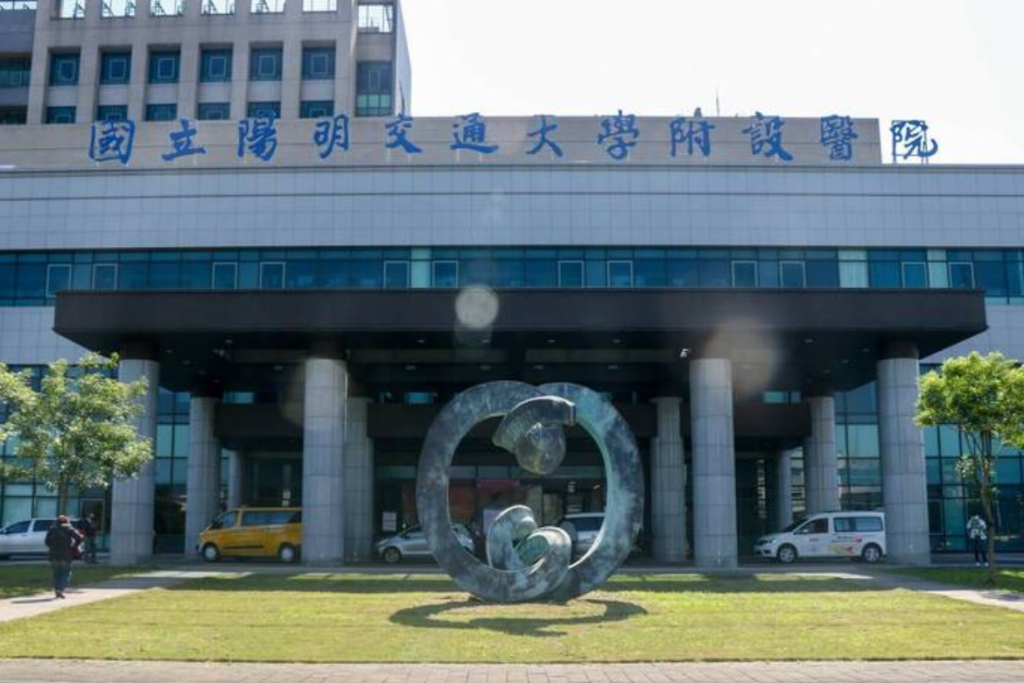
In 1975, that question gave rise to National Yang-Ming Medical College. The institution was established not simply to educate physicians, but to prepare Taiwan for a future in which healthcare would become one of the country’s defining strengths. Half a century later, that vision continues through National Yang Ming Chiao Tung University (NYCU), where medicine, engineering, and life sciences increasingly converge to shape the future of biomedical innovation. The story of Yang-Ming is therefore more than the history of a medical school. It is the story of how universities quietly shape societies decades before the rest of the world notices.
01
A University Before Its Time
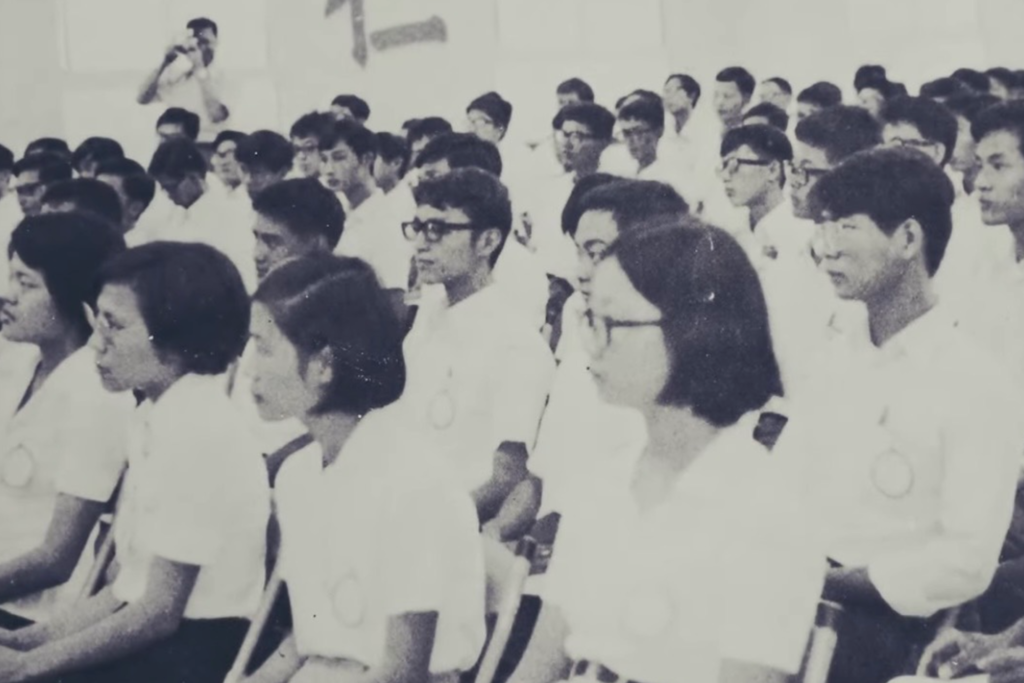
In 1975, Taiwan stood at a crossroads. Its economy was expanding rapidly, but its healthcare system had yet to catch up. Medical resources remained concentrated in major cities, rural communities struggled to attract physicians, and biomedical research was still in its infancy. Building more hospitals alone would not solve those problems. What Taiwan lacked most were people—physicians, researchers, educators, and future leaders capable of strengthening healthcare from within. That was the challenge National Yang-Ming Medical College was created to address.
Unlike many medical schools of its era, Yang-Ming was founded with a broader national mission. It sought not only to educate doctors, but also to cultivate professionals who could advance biomedical research, public health, medical education, and healthcare leadership simultaneously. Its first class included government-sponsored medical students who committed to serving communities across Taiwan after graduation. Education, therefore, was never viewed simply as professional training. It was regarded as a long-term investment in the nation’s future.
Today, concepts such as health equity, preventive medicine, and population health have become central to global healthcare discussions. Yang-Ming embraced those principles decades before they became international priorities. The university was not preparing students for Taiwan’s healthcare system. It was preparing Taiwan for the healthcare system it would one day need.
02
Why Shipai Became Taiwan’s Medical Crossroads
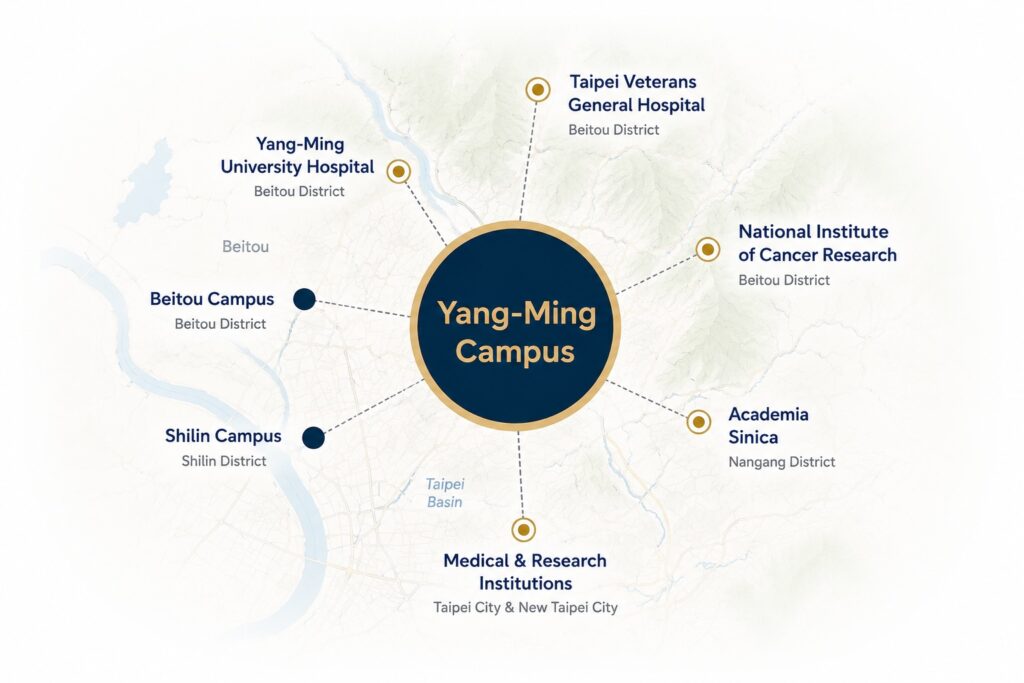
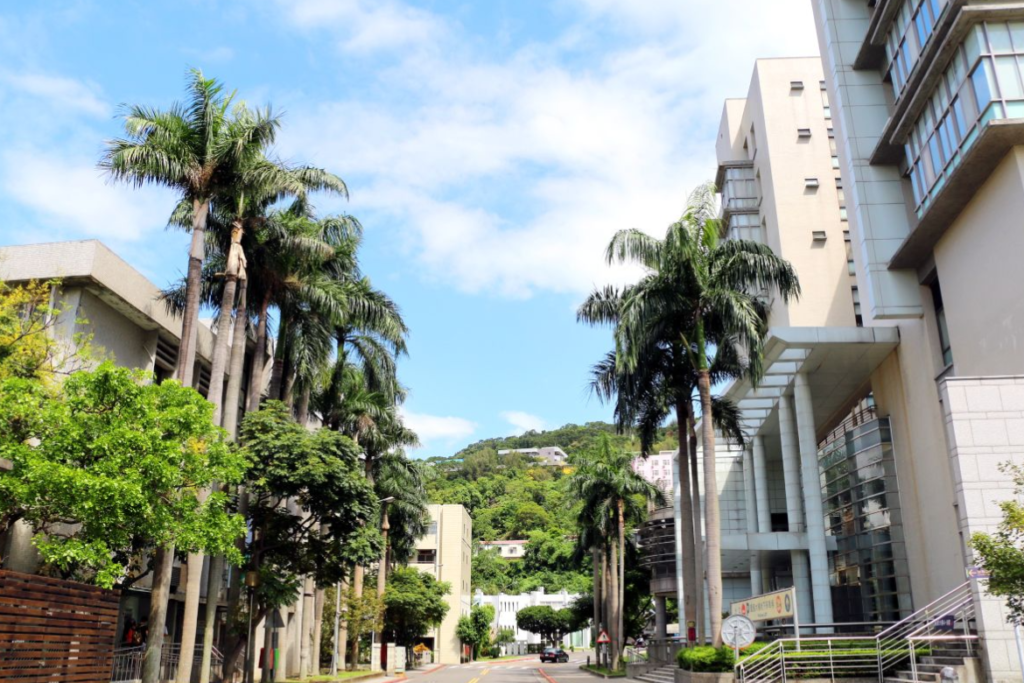
History remembers institutions. Less often, it remembers places. Yet certain places quietly change the course of a nation. Just as Hsinchu became synonymous with Taiwan’s semiconductor industry, a hillside in Shipai gradually evolved into one of the country’s most influential centers for medicine and biomedical research. Its significance lay not in its geography, but in the ecosystem that emerged around it.
On any given day, a medical student could leave a lecture hall, walk a few minutes across campus, and find themselves standing beside a patient at Taipei Veterans General Hospital. Questions raised during morning clinical rounds often became the starting point for afternoon laboratory research. Conversations between physicians and scientists happened not only in formal meetings, but in hallways, cafeterias, and shared laboratories. Ideas moved quickly because people did.
Long before interdisciplinary research became a global priority, physicians, nurses, neuroscientists, biomedical engineers, rehabilitation specialists, public health scholars, and life scientists were already working side by side in Shipai. Innovation emerged not because different disciplines were intentionally assembled, but because they shared the same hill. Over time, that hillside became something larger than a medical campus. It became one of Taiwan’s earliest biomedical ecosystems, where education, research, clinical practice, and scientific discovery reinforced one another every day.


03
The Culture That Medicine Cannot Measure
Universities teach knowledge. Great universities teach purpose.
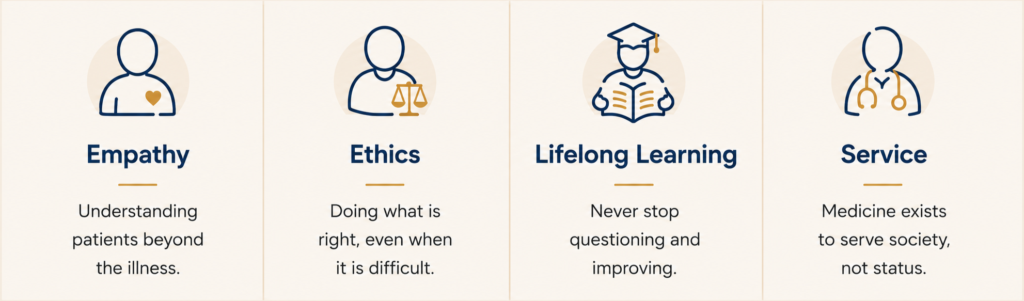
From its earliest days, Yang-Ming believed medicine was never solely a scientific discipline. Scientific excellence and clinical expertise mattered deeply, but they were only part of the equation. Students learned that healing demanded empathy alongside evidence, communication alongside diagnosis, and ethical judgment alongside technical skill.
Medicine was not simply about extending life. It was about improving the quality of human life. That philosophy became embedded in the university’s culture through its motto—Knowledge Through Action, Benevolence Through Medicine (真知力行.仁心仁術). For generations of physicians, nurses, researchers, educators, and public health professionals, those words became more than an institutional slogan. They became a professional identity. Many alumni would later lead hospitals, pioneer new medical specialties, influence public health policy, and expand Taiwan’s biomedical research capacity.

Their careers followed different paths. Their purpose remained remarkably similar. Medicine exists to serve society. Perhaps that is Yang-Ming’s greatest legacy—not simply the knowledge it created, but the values it carried across generations.
04
Before Biomedical Ecosystems Became a Buzzword
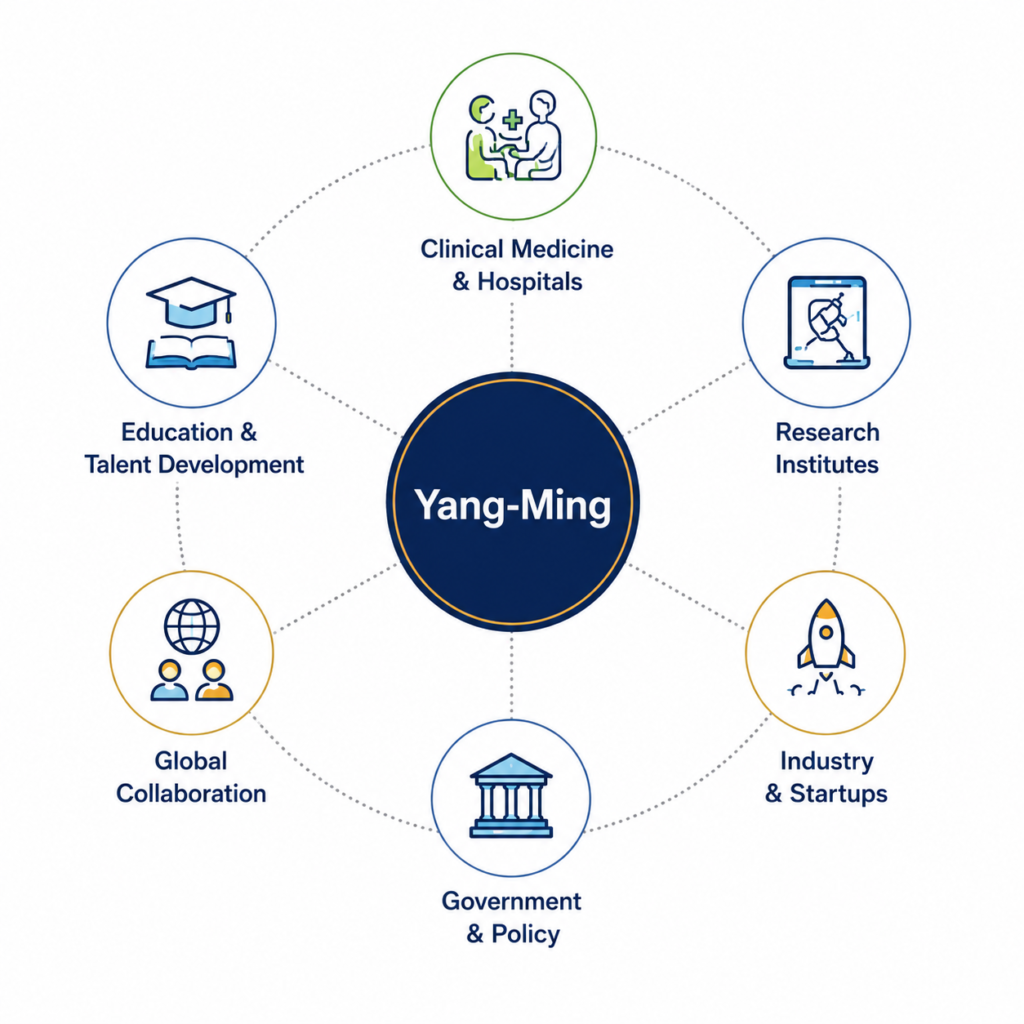
Today, universities around the world speak frequently about innovation ecosystems—bringing together research, healthcare, industry, and entrepreneurship to accelerate scientific discovery. Half a century ago, Yang-Ming was already living that idea. Its influence extended well beyond educating physicians.
Clinical questions informed scientific research. Scientific discoveries returned to improve patient care. Researchers and clinicians worked as partners rather than separate communities. This environment strengthened fields including neuroscience, biomedical engineering, genomics, rehabilitation sciences, public health, medical humanities, and translational medicine.
Rather than developing disciplines independently, Yang-Ming encouraged them to evolve together. Long before precision medicine, digital health, regenerative medicine, or AI-assisted diagnosis entered everyday scientific vocabulary, the university had already embraced the mindset that makes those innovations possible. It was not simply building academic departments. It was building an ecosystem.
05
When Medicine Meets Engineering
For nearly half a century, Yang-Ming and Chiao Tung transformed Taiwan in different ways. One helped redefine how Taiwan cared for people. The other helped redefine how Taiwan built technology. For decades, those worlds appeared separate. By the twenty-first century, they no longer were.
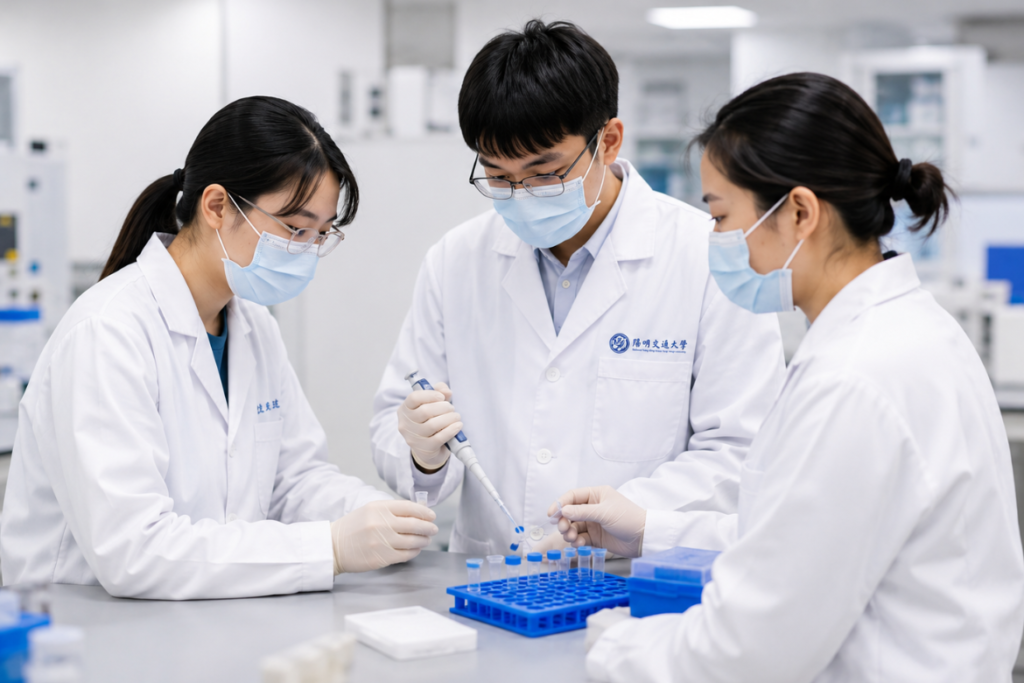
Artificial intelligence began reshaping medicine. Semiconductor technologies became essential to medical devices. Precision medicine increasingly relied on computing, data science, and engineering. The boundaries separating healthcare from technology steadily disappeared. When National Yang-Ming University and National Chiao Tung University merged in 2021, the significance extended beyond institutional integration. It united two complementary traditions. One rooted in healing. The other in innovation.
Today, relatively few universities are positioned as naturally as NYCU to address the convergence of medicine, engineering, artificial intelligence, advanced computing, and life sciences. In many ways, that convergence reflects the future of healthcare itself—not toward greater specialization alone, but toward deeper integration across disciplines.
06
The Next Revolution Will Be Human
Every generation believes it faces unprecedented challenges. Ours may actually be right. Populations are aging. Artificial intelligence is transforming clinical decision-making. Climate change is reshaping public health. Emerging diseases continue to test global preparedness. Healthcare has become one of humanity’s most complex interdisciplinary challenges. Hospitals alone cannot solve these problems. Neither can technology. They require people capable of thinking across medicine, engineering, public health, ethics, computing, and the human experience itself.
Remarkably, this is precisely the future Yang-Ming had been preparing for decades before those challenges acquired their modern names. Its mission was never simply to educate physicians. It was to educate leaders capable of responding to society’s changing needs. Today, that mission continues through NYCU. The technologies will continue to evolve. The mission will not.
Great universities are defined less by the problems they solve today than by the futures they prepare society to meet.