
NYCU Confirms That Hesperetin Allows Doxorubicin to Fight Cancer Without “Harming the Heart”
▲The NYCU team has developed a patented probiotic transformation technology to mass-produce hesperetin, a compound now entering the commercial phase to help cancer patients mitigate the side effects of Doxorubicin © NYCU Elite
Doxorubicin is a chemotherapy drug commonly used to treat cancers such as breast cancer, lymphoma, and leukemia, and the issue of cardiotoxicity it causes has plagued the medical field for over half a century. Statistics show that approximately 5-9% of patients develop significant heart failure or cardiomyopathy following treatment, and the risk of developing chronic heart failure within 10 years ranges from 4-10%.
Recently, a research team from National Yang Ming Chiao Tung University (NYCU) confirmed that Doxorubicin’s suppression of the longevity gene CISD2 is one of the key mechanisms underlying its cardiotoxicity, while “hesperidin,” abundant in citrus peel, can be converted into “hesperetin,” which powerfully activates CISD2 and protects cardiac function without compromising Doxorubicin’s anticancer efficacy. In August 2025, the findings of this research were published in the internationally renowned journal, Redox Biology.
In addition, the NYCU team has mastered the patented technology for the transformation of probiotics, overcoming the bottleneck in the mass production of hesperetin. Health supplements containing hesperetin, targeted to alleviate the side effects of chemotherapy, sarcopenia, and metabolic disorders (such as fatty liver disease), have now entered the commercialization phase and are expected to be launched in the near future.
Igniting Sparkle of Interdisciplinary Research in Lighthearted Conversation
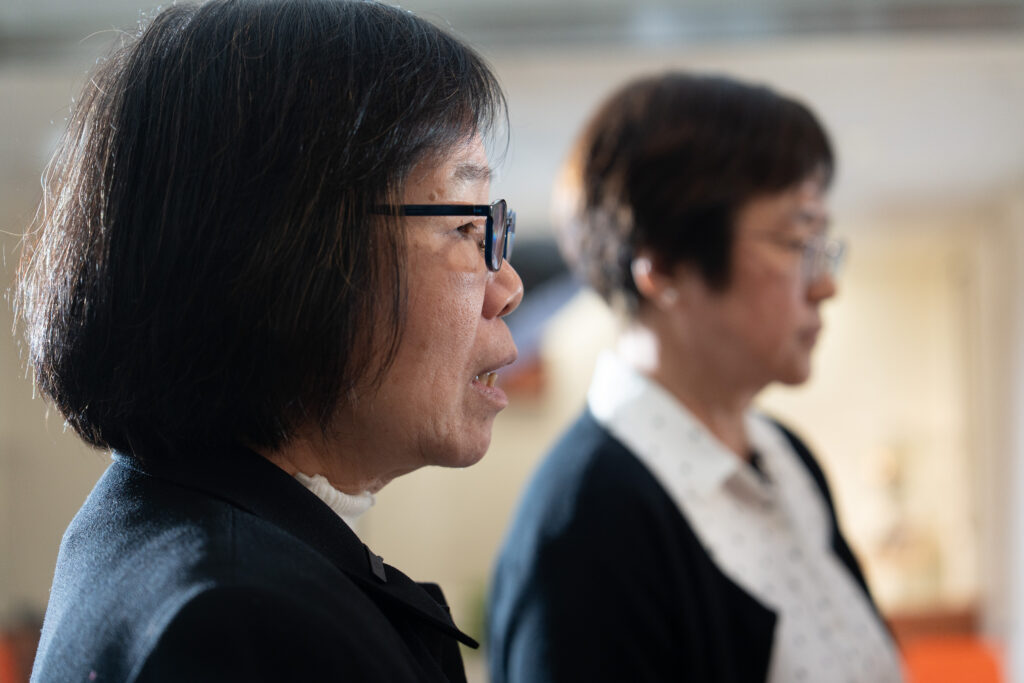
This research project was jointly conducted by the Lifetime Distinguished Professor, Ting-Fen Tsai, at the Department of Life Sciences and Institute of Genome Sciences of National Yang Ming Chiao Tung University, and Professor Shu-Ling Fu at the Institute of Traditional Medicine of National Yang Ming Chiao Tung University, in collaboration with academic and research institutions including the National Health Research Institutes, Linkou Chang Gung Memorial Hospital, and the Academia Sinica. Although the two researchers often joke that this major research breakthrough stemmed from a casual conversation, it was in fact built upon more than a decade of collaboration and working on the same page.
In 2008, Shu-Ling Fu, who had long focused on researching the anti-cancer mechanisms of traditional Chinese medicine and natural compounds, initially collaborated with Ting-Fen Tsai, an expert in establishing animal models for liver cancer. Their research findings on the use of silymarin to treat liver cancer greatly impressed Ting-Fen Tsai and sparked new research ideas in her. In 2009, Ting-Fen Tsai made a groundbreaking global discovery—the mammalian longevity gene CISD2. The experiment of the research showed that mice with CISD2 removed exhibited accelerated premature aging and degeneration of cardiac function, whereas maintaining CISD2 expression significantly extended average lifespan and delayed organ aging.
After that, Ting-Fen Tsai collaborated with Chung-Kuang Lu, an associate researcher at the National Research Institute of Chinese Medicine, to successfully identify 20 medicines capable of promoting CISD2 expression from among the 120 “non-toxic” and “anti-aging” “superior-grade medicines” documented in the ancient Chinese medical canon Shennong Bencaojingand Compendium of Materia Medica. Among these, “Chenpi” (Note 1) made from the aged peel of fresh citrus fruits contains hesperetin, which has been shown to be highly effective in promoting CISD2 expression.
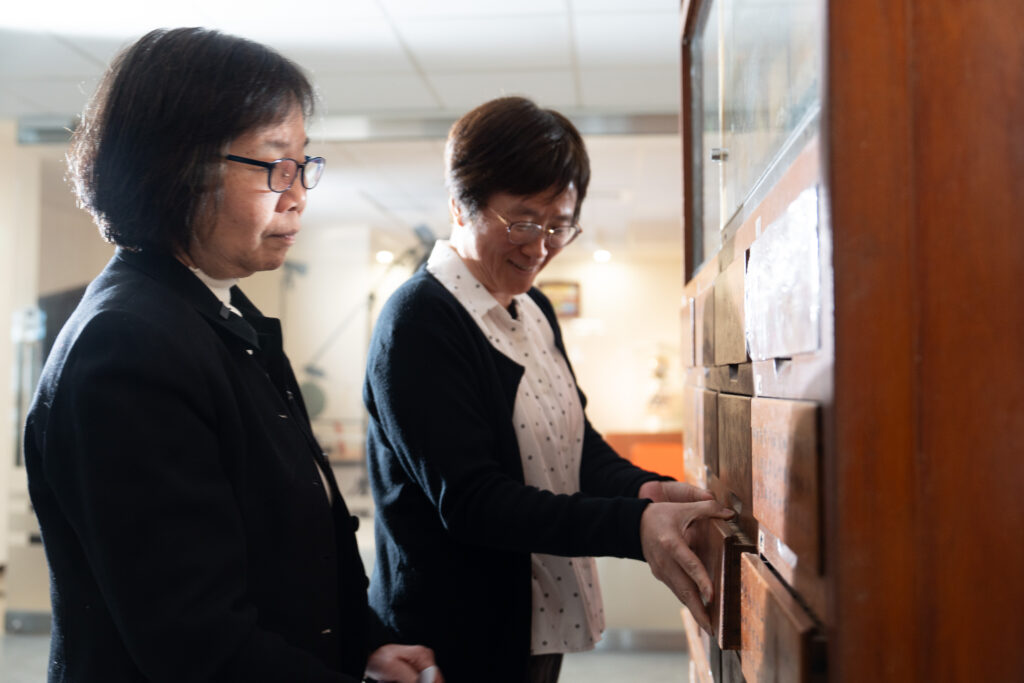
In recent years, Shu-Ling Fu has gradually extended her research focus to include the use of traditional Chinese medicine and natural compounds to mitigate the side effects of cancer treatments (such as chemotherapy), and she discovered that Doxorubicin significantly suppresses the expression of CISD2 in cells. This observation led the two to “hit it off” during a casual conversation, which in turn paved the way for this research collaboration.
Long and Healthy Life Finally Within Reach
Ting-Fen Tsai stated: “First, we confirmed that Doxorubicin suppresses CISD2 expression through the two transcription factors TAF1 and TCF12, thereby causing structural and functional damage to cardiac cells. Second, in experimental mice whose cardiac function had been severely impaired by Doxorubicin, hesperetin restored cardiac function to 80–90% of normal levels, with significant reductions in myocardial cell inflammation, fibrosis, and cell death.”
Besides, the NYCU research team also collaborated with Professor Joseph C. Wu (Academician) at Stanford University and Patrick Ching-Ho Hsieh, Distinguished Research Fellow at the Institute of Biomedical Sciences of the Academia Sinica, to conduct tests using human iPSCs. The experiments demonstrated that hesperetin can similarly enhance CISD2 expression in human cardiomyocytes and repair damage caused by Doxorubicin, confirming that hesperetin holds significant potential for clinical application and translational medicine.
Ting-Fen Tsai’s previous research has shown that CISD2 plays a key role in maintaining metabolic health across multiple organs. Therefore, hesperetin not only improves aging-related organ degeneration and muscle atrophy (such as sarcopenia), but also helps regulate metabolic syndrome-related conditions (such as fatty liver disease) and enhances insulin sensitivity. Furthermore, hesperetin has demonstrated significant improvement effects on ischemic heart disease and heart conditions caused by hypertension.
However, in nature, hesperetin is primarily found in citrus peels in the form of “hesperidin.” Because hesperidin has an extremely low absorption rate in the human gut, it must be converted by specific enzymes before it can become “hesperetin,” which can be effectively utilized. Recently, the NYCU research team screened a previously undiscovered strain of Bifidobacterium from the gut microbiota of a young graduate student at NYCU. The experiment has demonstrated that this strain can convert hesperidin into food-grade hesperetin within 24 hours, with a conversion rate approaching 100%. A patent application has been filed, and technology transfer has been completed. The product is expected to be launched as a food supplement within the next few months.
“This is essentially the concept of a ‘biological factory,’ and it holds tremendous potential for future applications. Professor Fu and I are both basic scientists, and our greatest dream is to see our research findings put into practice and applied to human healthcare. We chose to develop this into a food-grade product because we hope that hesperetin— the ‘promoter of longevity genes’—can be adopted more quickly around the globe. I believe this goal will be achieved very soon,” said Ting-Fen Tsai excitedly.
Empirical Research to Redefine Value of Traditional Chinese Medicine
Shu-Ling Fu pointed out that, in the past, research on traditional Chinese medicine and herbs and natural compounds has largely focused on verifying therapeutic efficacy, but there has been relatively less exploration of drug targets and molecular mechanisms: “This time, we have provided comprehensive scientific evidence from multiple aspects, confirming the mechanism of action by which hesperetin mitigates cardiotoxicity. “This serves as an excellent model for future research, and the more comprehensive and rigorous evidence will also help the public understand the development potential and value of natural medicines.” She added, “Similarly, the ‘New Chinese Medicine’ emphasized by the School of Chinese Medicine, College of Medicine, NYCU aims precisely to incorporate modern scientific research methods to reinterpret and validate the wisdom of traditional medicine.”
Ting-Fen Tsai echoed this sentiment: “Whether in traditional Chinese medicine or Western medicine, medicine strategies naturally vary depending on a patient’s constitution. Using experimental evidence to support traditional Chinese medicine therapies is what we call ‘precision medicine.’ Therefore, the integration of traditional Chinese medicine research with modern scientific research methods will be a major trend in the future.”
Shu-Ling Fu further emphasized: “Our team comprises a diverse range of disciplines, including molecular biology, genetics, traditional Chinese medicine, herbs and natural compounds, animal experiments, and clinical medicine. This interdisciplinary collaboration helps advance traditional Chinese medicine toward an evidence-based research approach. Traditional Chinese medicine is not ‘mysticism.’ If we use Western scientific methods to clarify its mechanism of action and provide scientific evidence that meets international standards at every stage, it will help enhance its overall acceptance, and the future of integrated traditional Chinese and Western medicine will be even more promising.”
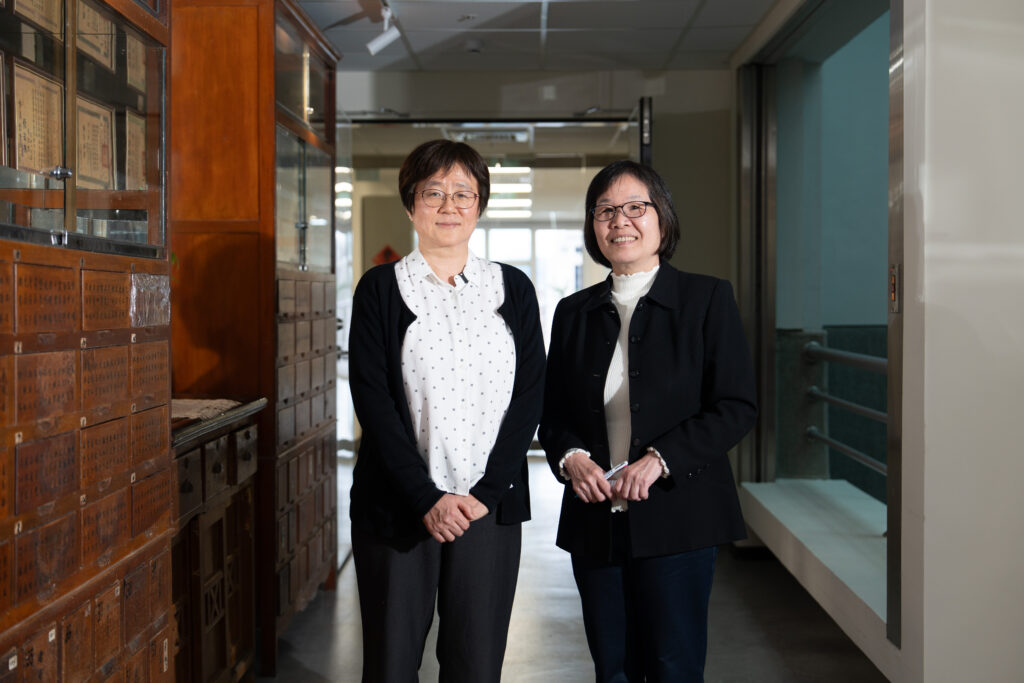
Note 01: Chenpi is a traditional medicinal material made by drying and aging the peel of mature citrus fruits (typically red tangerines) over an extended period. It differs slightly from what is commonly referred to in English as dried tangerine peel used as a culinary ingredient.
Interview | Fu-Kuo Chu
Translation | Yi-Chen Emily Li
Editing | Hsiu-Cheng Faina Chang / StoryLab
Photographer | Hao-Yun Peng and Yen-Yu Shih / ZDunemployed studio
©NYCU ELITE